
Author | Educator | Reflective Thinker
Richard Noble
Exploring humanity, loss, hope, the natural world and the quiet significance of everyday life.
Richard Noble writes at the meeting point between philosophy and our shared lived experience. His writing invites readers to look again at familiar questions and consider what they reveal about who we are and what it might mean to live well in a world that is dark but equally full of wonder, warmth and light.
Welcome
Thoughts that begin with ordinary questions
What does it mean to be human? How does the natural world shape the way we understand ourselves? What is this ‘event’ that we call love?
Richard Noble’s writing begins with questions such as these. Through careful observation, thoughtful dialogue and contemplative reflection, he examines the assumptions that have shaped the people we are and have become.
His work is written for readers who remain open to the possibility that something extraordinary can be found within the ordinary.
About the Author
Meet Richard Noble
Richard Noble lives in what was once known as “Sleepy Suffolk”, where the natural world, local life and quiet reflection continue to shape his thinking and writing.
He has spent many years working within education and writing critically about its aims, values and underlying assumptions. In 2021, Richard was awarded a Doctorate in Education by the University of East Anglia. His doctoral research was later developed and published as a book.
Away from writing, Richard can often be found spending time with his beautiful family & working in his wildlife garden while listening to Test Match Special, or standing on the terraces at Ipswich Town Football Club. Both provide welcome perspective, humour and a sense of connection to the wider rhythms of life.


“The most important questions are often hidden inside the ones we think we have already answered.”
Featured Book | Published
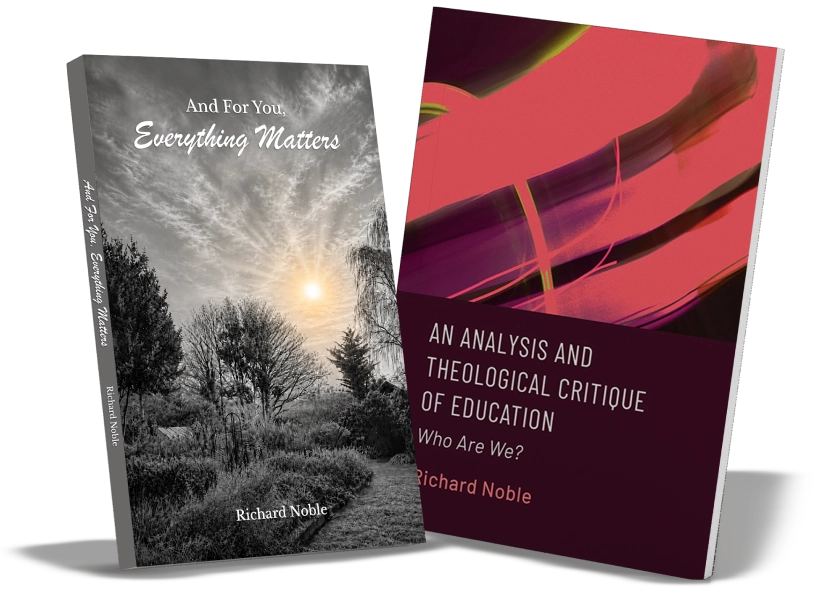
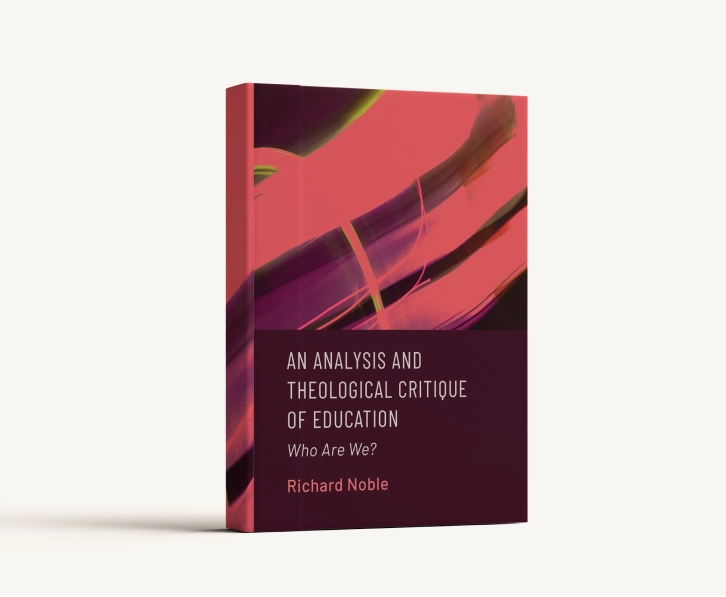
An Analysis and Theological Critique of Education: Who Are We?
When we ask, “What is the purpose of education?”, we are also asking a deeper question: “What is the purpose of educating human beings?”
Richard Noble’s book explores the relationship between educational purpose and human identity. It argues that any meaningful account of education must first consider what it means to be human.
Bringing together educational analysis, philosophical reflection and theological critique, the book challenges readers to reconsider the ideas that shape teaching, learning and institutional life.
new release | Published
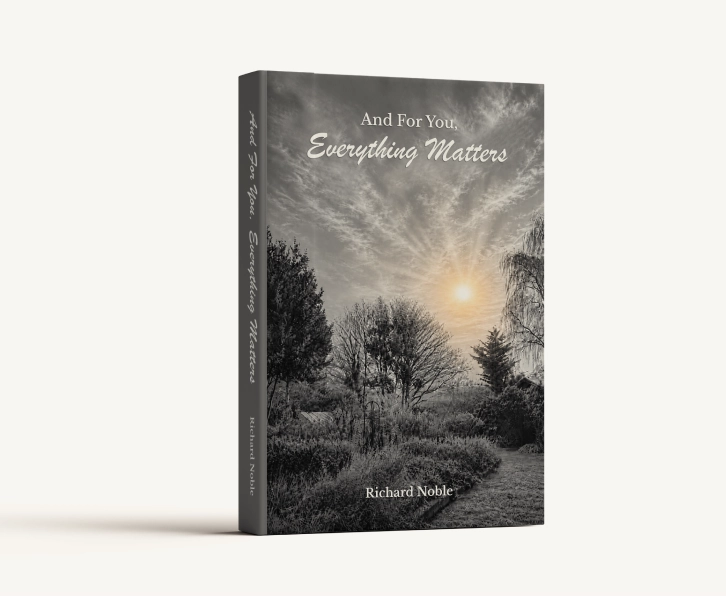
And For You, Everything Matters
A deeply reflective literary novel about grief, love, family, mental health and the fragile connections that give life meaning.
Told through the story of Jane and her parents, Anne and James, the novel explores the lasting impact of loss, the limits of therapy, the burden of guilt and the question of how a person continues to live a life of meaning and light when the world feels unbearably broken.
At its heart, the book is also a meditation on human connection, the natural world, hope, faith and the quiet acts of love that hold people together.
Reviews & Media
Reviews, Endorsements and Conversations


And For You, Everything Matters is a beautifully written and wonderfully observed novel about family, relationships and the complexities of everyday life. Richard Noble writes with warmth, wit and a wonderfully poetic style. There are moments of genuine humour alongside deeper reflections on love, identity and what makes a home. A thoughtful and thoroughly enjoyable read.
— Professor Emily Carter
Richard Noble has created a novel that is both charming and thought-provoking. The writing is full of personality, with sparkling observations and a gentle humour that makes the characters feel remarkably real. Beneath the comedy is a much deeper exploration of family life, relationships and the search for meaning. An unusual and memorable book.
— Dr. William Turner
A captivating and beautifully crafted story that combines literary humour with heartfelt reflections on domestic life. Noble’s distinctive writing style gives the novel a real sense of character, while the unexpected moments of humour keep the story lively and engaging. And For You, Everything Matters is a book that stays with you long after you’ve finished reading it.
— Professor Richard Bennett
Located in the home of the English novel of manners, this is a poetical hymn to family life with much tea-drinking and occasional scenes of risqué humour. The therapy sessions with hapless Dr Bridges were comedic and Noble’s sparkling language and meandering sentences had me laughing out loud; ‘why don’t we insist on things being beautiful?’ asks his patient and the ferocity of sacred winds ensues in a garden that desperately wants to be Eden regained.
I read the novel in one sitting carried along by the author’s poetic metonymic style as he turns his gentle humour on the complexities of domestic life. A real treat!
— Dr. Alain J.E. Wolf, Honorary Research Fellow, University of East Anglia
From Readers
What Readers Are Saying
I found it thought provoking and relevant. I particularly enjoyed the descriptive passages.
— Jo
I loved it and needed to know what happened to James, Anne and Jane, desperately hoping for the best!
— Mr. GD
It’s beautifully written, it moved me. There were places where I felt quite tearful, which is unique for me when reading a book.
— Katy M
The book is a beautiful, poignant story of sadness, tenderness and ending in hope. What I particularly loved are the wonderful descriptions, bringing ordinary rooms to life, details tinged with humour. I think the descriptions of the garden are sublime, bringing it to life in such a joyous way. Delightful writing. It is a beautifully crafted book.
— Leslye Jackson
There are no reviews yet. Be the first one to write one.
Share Your Thoughts
Leave a Review
Have you read And For You, Everything Matters? Richard would love to hear what you made of it. Share your rating and a few words below.
Looking Ahead
Upcoming Projects
Richard continues to develop new work exploring , human identity, the natural world and the meeting points between philosophical and theological traditions. Future publications will continue his interest in:

The meaning of human flourishing

Character, dialogue and everyday experience

The wisdom found in ordinary places and encounters
Stay Connected
Richard welcomes enquiries relating to his books, educational discussion, interviews, reviews, speaking opportunities and future publications.